Partial choking
Procedure
- 1.Encourage the patient to try and dislodge the object by coughing.
- 2.Do not attempt abdominal thrusts, chest thrusts or back blows.
- 3.Never interfere with the patient's efforts to clear the airway.
- 4.Stay with the patient until the object is expelled and breathing is normal.
- 5.Monitor vital signs.
- 6.If the condition persists, activate EMS.
- 7.If the patient becomes unresponsive, treat the situation as a complete choking.
Related
Signs of complete choking:
- inability to speak, breathe or cough
- absence of chest movement or air exchange
- increased cyanosis
Activate EMS in all cases of complete choking.
Chapter 6, p. 97Abdominal thrusts
- 1.Position yourself behind the choking patient.
- 2.Wrap your arms around their waist.
- 3.Make a fist with one hand.
Grasp this fist with the other hand.
- 5.Administer five quick inward and upward thrusts to the abdomen.
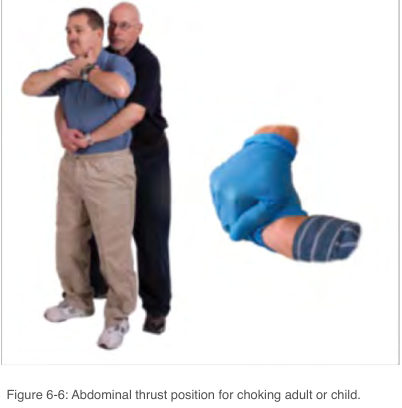
Figure 6-6: Abdominal thrust position for choking adult or child
Chapter 6, p. 98Back blows
- 1.Position yourself behind the choking patient.
- 2.Place one arm across the patient’s chest and bend the patient forward.
to deliver five firm blows between the shoulder blades of the patient.
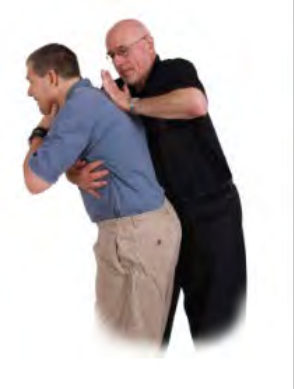
Figure 6-7: Back blow position for choking adult
Chapter 6, p. 98Chest thrusts
- 1.Position yourself behind the choking patient.
- 2.Wrap your arms around their chest.
- 3.Make a fist with one hand.
Grasp this fist with the other hand.
Each thrust should be distinct and delivered in such a way to expel the foreign body out of the airway.
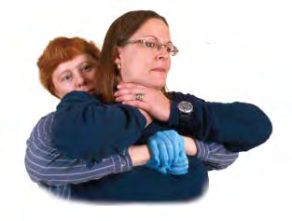
Figure 6-8: Chest thrust position for choking
Chapter 6, p. 99Complete choking treatment – unresponsive adult and child
If an adult or child becomes unresponsive, begin CPR starting with chest compressions (see CPR) to clear the foreign body from their airway. Check inside the mouth every 30 compressions. The finger sweep method may be used in unresponsive adults and children to clear a foreign body from their airway, providing that the object is solid and visible in the airway.
Chapter 6, p. 99Complete choking treatment – responsive infant
- 1.Pick up the infant while supporting the head and the rest of the body.
supporting their body on your thigh (hook the infant's leg between your arm and body). Ensure the infant's head is well supported and lower than the trunk.
- 3.Administer five back blows between the shoulder blades with the heel of your hand.
(hook the infant's leg between your arm and body). Ensure the infant's head is well supported and lower than the rest of the body.
and slide the fingers to just below the nipple line.
Press down quickly with the two fingers on the centre of the chest.
cleared from the airway or the patient becomes unresponsive.
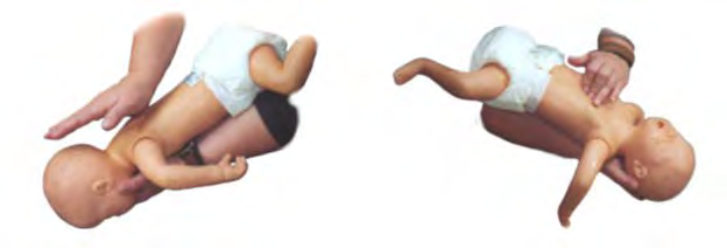
Figure 6-9: Infant back blows and chest thrusts
Chapter 6, p. 100Complete choking treatment – unresponsive infant
If the infant becomes unresponsive, start infant CPR. Check inside the mouth for an expelled object every 30 compressions. Only remove solid material in the airway using a finger sweep if you can see it. Do not blindly sweep the mouth with your fingers.
Chapter 6, p. 100Finger sweep
- 1.Grasp both the tongue and the lower jaw between the thumb and the fingers.
- 2.Lift the mandible.
insert the index finger of the other hand down along the inside of the cheek and sweep the throat at the base of the tongue.
- 4.Carefully scoop out the obstruction.
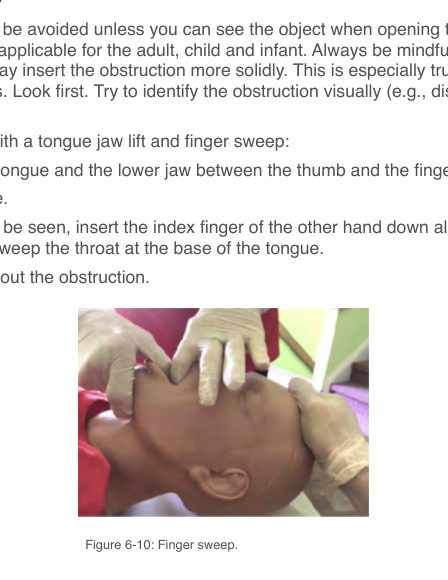
Figure 6-10: Finger sweep
Chapter 6, p. 100